

The Best Full Body Exercises for Women to Build Strength & Confidence
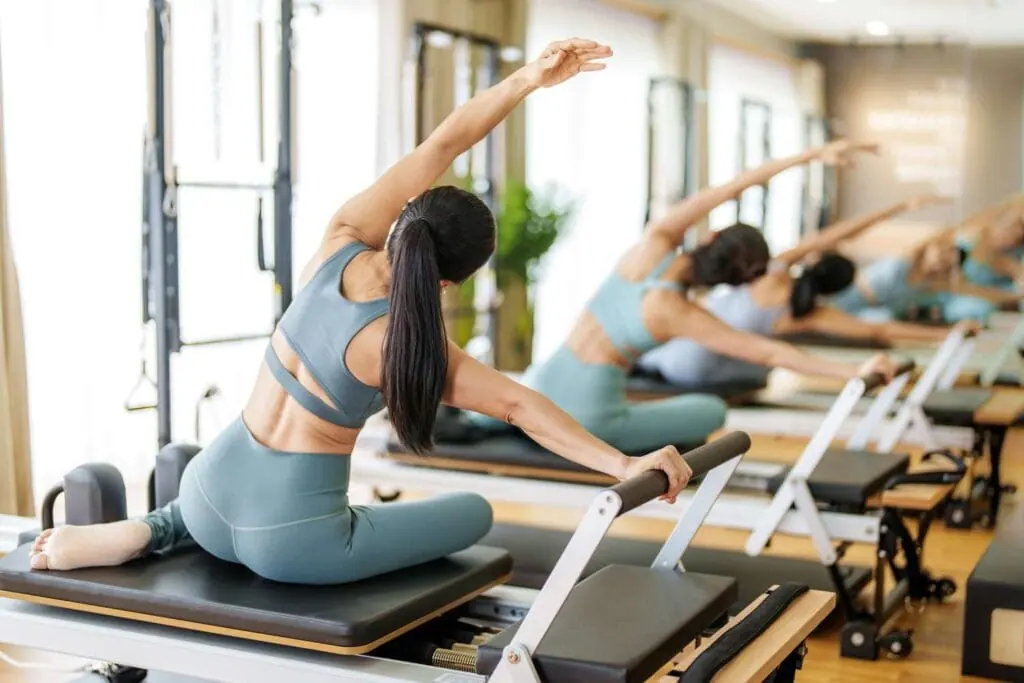
Feel Strong. Feel Confident. Feel Like You.
Looking to build strength, tone your body, and feel more confident – without spending hours lost in the gym? You’re not alone. Many women want a workout routine that delivers real results without needing to obsess over equipment, complex plans, or extreme dieting.
This guide is here to simplify things. With the best full body exercises for women, you’ll learn how to target major muscle groups, burn fat, and build lean muscle – all in one efficient routine. Whether you’re just starting out or ready to level up, this plan can be done at home or at the gym, and it’s built with your goals in mind.
No fluff. No gimmicks. Just effective movement, smart structure, and a powerful path to becoming your strongest self.
Why Full Body Workouts Are Ideal for Women
When you’re short on time but still want full-body results, full body workouts are your best friend. These routines train multiple muscle groups in a single session – saving time while maximizing impact.
Key Benefits of Full Body Workouts for Women
- Boosts strength and muscle mass without bulking
- Burns more calories in less time by engaging more muscles
- Helps with fat loss while improving body composition
- Enhances posture, balance, and everyday movements
- Builds a stronger foundation for long-term overall health
Whether your goal is to lose weight, increase upper body strength, or just feel more capable, a full body workout plan gives you the structure to get there. And when done right, it can be incredibly empowering – especially when you see what your body is capable of.
Lower Body Exercises for Women
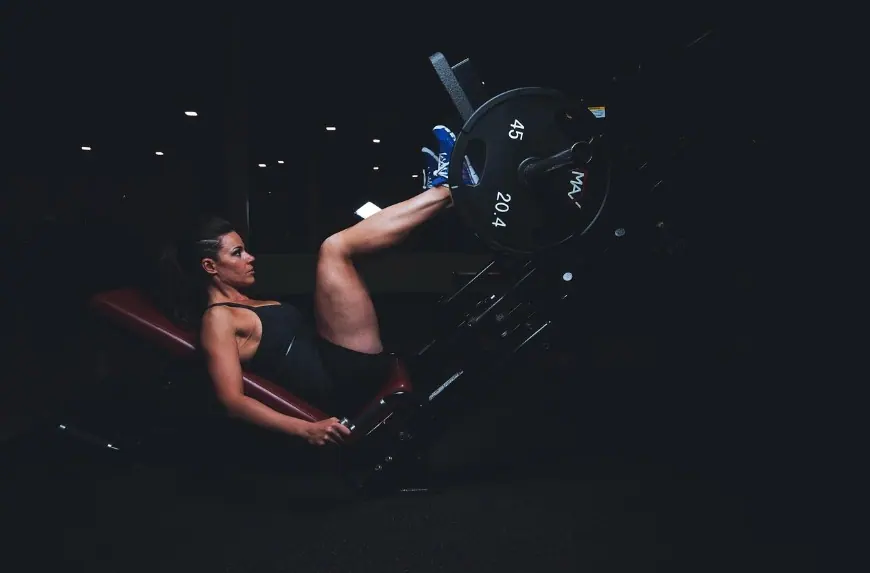
Lower body strength is foundational. It powers your movement, supports your posture, and helps with everything from climbing stairs to carrying groceries. By targeting the glutes, quads, hamstrings, and calves, these exercises build strength and shape while improving balance and core engagement.
1. Squats
Start standing with your feet shoulder width apart, toes slightly turned out. Lower into a squat position by hinging at the hips and bending the knees. Keep your back flat, knees tracking over your toes, and your core tight. Push through your heels to return to standing.
This exercise engages the entire posterior chain and is great for building both strength and stability.
2. Lunges
From a standing position, step one leg forward and lower your hips until both knees are bent at 90 degrees. The front knee should stay behind the toes, and your torso should remain upright. Push through the front heel to return to standing and switch sides.
Lunges target the glutes, hamstrings, and quads while also challenging balance and coordination.
3. Glute Bridge / Single-Leg Bridge
Lie on your back with knees bent, feet hip distance apart. Press through your heels and lift your hips toward the ceiling, squeezing your glutes at the top. For more intensity, try the single-leg version: extend one leg straight while performing the lift with the opposite leg.
This is a great exercise for isolating the glutes and hamstrings, especially for beginners or during home workouts.
4. Step-Outs or Lateral Lunges
Start standing with feet together. Step one leg out to the side and lower into a lateral lunge, keeping the moving leg bent and the other straight. Keep your chest lifted and hips back, then return to standing and switch sides.
These help strengthen the hips and thighs while adding variety to traditional forward lunges.
All of these lower body exercises can be done using bodyweight or enhanced with dumbbells, kettlebells, or resistance bands for added challenge.
Upper Body and Core Strength
Building upper body strength helps with posture, confidence, and functionality in everyday movements like lifting, pushing, or carrying. A strong core supports stability, balance, and injury prevention. Together, they form the foundation for a well-rounded full body workout.
Push-Ups
A staple movement that targets the chest, shoulders, triceps, and core. Begin in a high plank position with your hands slightly wider than shoulder width. Lower your body in a straight line until your chest nearly touches the floor, then push back up to the starting position.
Modifications: Incline push-ups for beginners or tricep push-ups to isolate the arms.
Bent-Over Rows
Hold a dumbbell in each hand, hinge forward at the hips while keeping your back flat and knees slightly bent. Pull the dumbbells toward your waist by squeezing your shoulder blades together, then slowly lower.
This exercise strengthens the upper back, lats, and biceps.
Shoulder Press
Start standing or seated, with dumbbells held at shoulder height. Press the weights straight up until your arms are fully extended, then slowly return to the starting position.
Great for strengthening shoulders, triceps, and upper back.
Planks and Core Stability
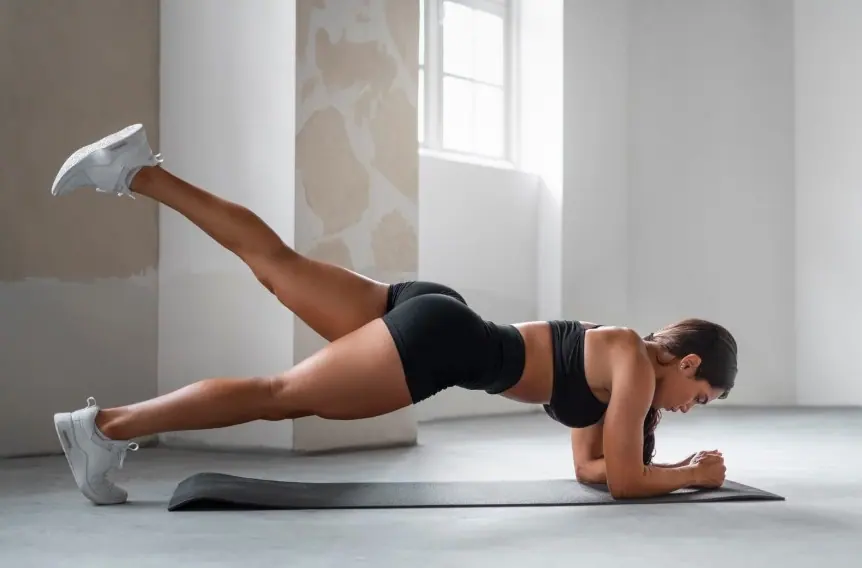
Begin in a forearm or high plank position. Keep your body in a straight line from head to heels, with your core engaged and glutes tight. Hold for 20–60 seconds.
Variations like side planks, leg lifts, or plank shoulder taps can increase difficulty and build deeper core stability.
Russian Twists and Leg Raises
Russian twists engage the obliques, while leg raises strengthen the lower abs. Both help train deep core muscles and improve overall balance and mobility.
These exercises can be done using just body weight or with resistance bands, dumbbells, or weighted plates for added intensity.
Bodyweight Exercises vs Equipment
You don’t need a full gym to get results – but using the right tools can help you progress faster. Bodyweight exercises are ideal for beginners or for staying consistent when you’re training at home. They’re accessible, functional, and require no special gear.
Bodyweight Exercises
Movements like squats, lunges, push-ups, and planks use your body as resistance. They improve strength, mobility, and coordination, especially when done with proper form. These exercises also train stability muscles, making them great for real-world functionality.
Resistance Bands
Resistance bands add progressive resistance without heavy weights. They’re lightweight, portable, and perfect for both upper and lower body movements. Bands can be looped around your legs for glute work or used for arm, chest, and back exercises.
Dumbbells and Kettlebells
Using free weights allows you to gradually increase intensity. Dumbbells are ideal for isolated movements like bicep curls or shoulder presses, while kettlebells are great for dynamic exercises like swings and goblet squats.
Barbells and Weight Machines
For more advanced strength training, barbells and gym machines provide the load needed to build serious muscle mass and power. These are often available in gym settings and allow for structured progressive overload.
Plyo Boxes or Steps
Adding step-ups, box squats, or jumps on a stable platform can help increase lower body power and coordination.
Whether you’re training at home or in the gym, combining bodyweight exercises with equipment allows you to progress over time, prevent plateaus, and build a stronger, more balanced body.
Designing Your Full Body Workout Plan
Workout Frequency
Aim for 2 to 3 full body sessions per week. This allows you to train each major muscle group regularly while giving your body time to recover. Leave at least one rest day between sessions to support muscle repair and growth.
Balance and Progression
Include a mix of lower body, upper body, and core exercises in every workout. Use compound movements like squats, lunges, push-ups, and rows as your foundation. Over time, apply progressive overload – this means gradually increasing weight, reps, or sets to challenge your muscles and build strength.
Warm-Up and Cool-Down
Start each workout with 5–10 minutes of light cardio and dynamic stretches to prepare your body and reduce injury risk. Finish with static stretching to improve flexibility and support recovery.
Listen to Your Body
Pay attention to form and energy levels. Adjust exercises, take rest days, or reduce intensity when needed. Working smarter – rather than harder – helps prevent burnout and keeps you consistent.
When to Get Support
If you’re unsure how to progress or structure your workouts, consider consulting a personal trainer. A customized plan can keep you safe, motivated, and aligned with your goals.
Best Strength Exercises for Full Body Impact
Squats
Squats target the quads, hamstrings, glutes, and core. Start standing with your feet shoulder width apart, lower into a squat position, keeping your core engaged and your knees slightly bent, then return to standing. Add dumbbells or a barbell over time for resistance training and improved muscle growth.
Push-Ups
Push-ups work your chest, shoulders, triceps, and core. From a plank position, lower your body in a straight line until your chest nearly touches the floor, then slowly return to starting. Modify by dropping your knees or using incline push-ups to build strength progressively.
Deadlifts
Deadlifts activate your posterior chain – glutes, hamstrings, back, and core. Begin in a standing position, hinge forward at the hips with a flat back, then lift weight (barbell or dumbbells) while keeping the core tight and the shoulder blades pulled back. Great for building lean muscle and improving posture.
Planks
Planks strengthen your entire core, including deep core muscles. Hold a forearm plank or high plank position, maintaining a straight line from head to heels, with your shoulder blades stable and core tight. Start with 30 seconds and work up to longer durations.
Bent-Over Rows
This exercise targets the upper back, shoulders, and arms. With feet hip distance apart and a slight knee bend, hinge forward, holding dumbbells. Pull your elbows toward your right side and left side, focusing on squeezing your back at the top.
Glute Bridges
Excellent for glutes, hamstrings, and core. Lie on your back with knees bent and feet flat. Press through your heels, lift your hips forward until your body forms a straight line from knees to shoulders. For added intensity, try single leg bridges.
Bodyweight vs Equipment-Based Workouts
Bodyweight Exercises
Bodyweight training is perfect for beginners or those without access to a gym. Movements like push-ups, squats, planks, and lunges build strength using your own body weight as resistance. These exercises mimic everyday movements and are excellent for maintaining proper form without overloading joints.
Benefits of Equipment
Incorporating equipment like dumbbells, resistance bands, and kettlebells adds challenge and variation. Tools such as a plyo box or step increase intensity for lower body exercises. Resistance bands, in particular, are versatile, portable, and great for activating smaller muscle groups during upper and lower body workouts.
Which Is Better?
Both methods are effective. For fat loss and muscle mass development, combining both in your workout plan offers the best results. Start with bodyweight to learn proper form, then add equipment as your upper body strength and overall endurance improve.
Nutrition and Recovery for Women’s Fitness Goals

Fuel Your Body for Strength and Energy
Nutrition is the foundation of every great workout routine. To build muscle, support fat loss, and maintain overall health, women should focus on a balanced diet with:
- Lean protein (chicken, fish, tofu, eggs) for muscle recovery
- Complex carbohydrates (brown rice, oats, sweet potatoes) for energy
- Healthy fats (avocado, nuts, olive oil) to support hormonal balance
- Plenty of water to stay hydrated during moderate intensity physical activity
Rest, Sleep, and Recovery
Recovery is where the real magic happens. Your muscles grow and adapt during rest – not during the workout itself. For optimal bone strength, injury prevention, and performance:
- Get 7–9 hours of sleep per night
- Take at least one full rest day per week
- Incorporate low-impact activity like walking or stretching on recovery days
- Listen to your body – soreness is normal, but persistent pain is a sign to rest or adjust your routine
Common Mistakes Women Make During Full Body Workouts

Skipping Warm-Ups and Cool-Downs
Jumping straight into a workout without properly warming up increases the risk of injury and reduces performance. Begin every session with 5–10 minutes of light cardio and dynamic stretches to prepare your muscles. After your workout, cool down with static stretches to aid muscle recovery and prevent stiffness.
Using Poor Form
Proper form is essential, especially during compound movements like squats, lunges, and push-ups. Always check that your:
- Feet are shoulder width apart
- Core is engaged
- Back remains neutral
- Knees stay slightly bent, not locked
Poor form can lead to imbalances, joint strain, and long-term injury.
Overtraining or Undertraining
Doing too much too soon leads to burnout or injury, while too little effort won’t yield results. Stick to your workout plan, aim for progressive overload, and give your body time to adapt.
Not Tracking Progress
Without tracking your reps, weights, or how your body feels, it’s hard to know what’s working. Use a workout journal or app to record your routines and celebrate small milestones.
Final Thoughts
You don’t need complicated machines, hours at the gym, or extreme routines to get strong, fit, and confident. With the right mix of full body exercises, proper nutrition, and recovery – you’re already on the path.
Start small. Focus on form. Stay consistent. Your strength is built one rep, one step, one day at a time.