
A bulking diet is a structured nutritional approach that places an individual in a controlled calorie surplus to support muscle hypertrophy while limiting unnecessary fat gain through precise calorie targets, macronutrient balance, and food quality.
For trainers, the goal of a bulking diet is predictable lean mass gain that aligns with progressive resistance training – not rapid weight gain.
Key Takeaways
-
A bulking diet works only with a controlled calorie surplus, not unrestricted eating.
-
Muscle gain depends on total calories, adequate protein, and sufficient carbohydrates.
-
Clean bulking produces better body composition outcomes than dirty bulking.
-
Rate of weight gain is a key indicator of diet accuracy.
-
Adjustments should be made weekly, not daily.
What a Bulking Diet Is (and What It Is Not)
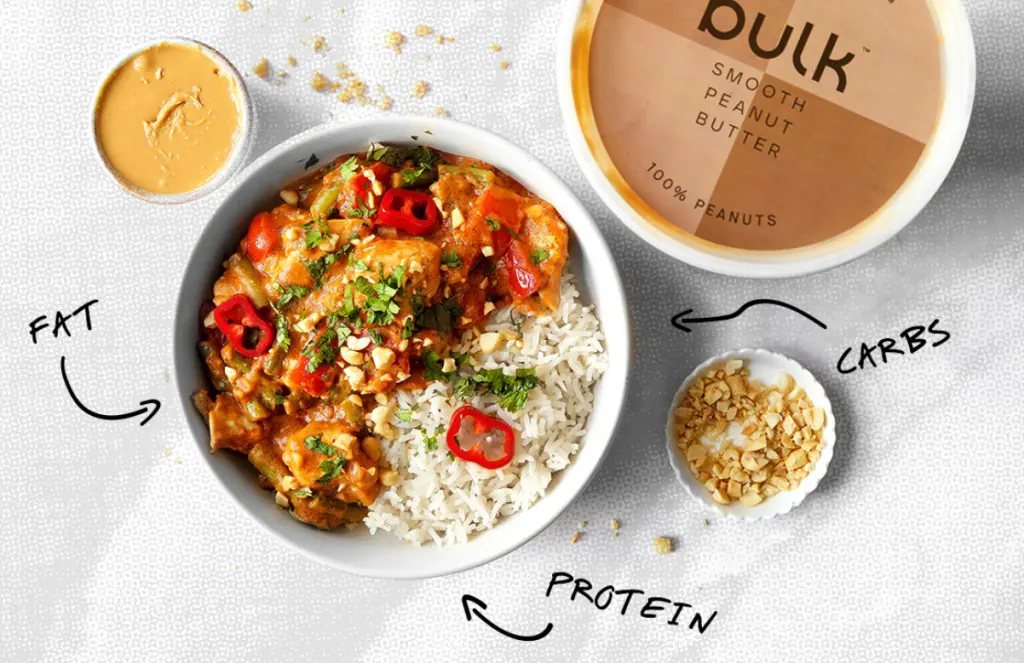
What a Bulking Diet Is
A bulking diet is a planned nutritional phase designed to support muscle growth by maintaining a positive energy balance alongside resistance training.
From a coaching perspective, it:
-
Supports muscle protein synthesis
-
Fuels higher training volume and intensity
-
Improves recovery capacity
What a Bulking Diet Is Not
-
Not uncontrolled overeating
-
Not a guarantee of lean gains without training stimulus
-
Not a short-term strategy for rapid physique changes
Bulking should be framed as a long-term adaptation phase, not a shortcut.
How Many Calories Are Needed for Bulking?
Step 1: Determine Maintenance Calories
Maintenance calories represent the intake required to maintain body weight. This varies based on:
-
Body mass
-
Activity level
-
Training volume
-
Metabolic history
Step 2: Apply a Controlled Surplus
For most clients:
-
Start with +250–500 calories per day
-
Reassess after 7–14 days
Target Rate of Weight Gain
-
0.25–0.5% of body weight per week
This range maximizes lean mass gain while controlling fat accumulation. Faster rates usually indicate excessive fat gain.
Macronutrient Breakdown for a Bulking Diet
Protein: Muscle Repair and Growth
-
0.7–1.0 grams per pound of body weight
-
Spread across 4–6 meals per day
-
Required to maintain a positive nitrogen balance
Insufficient protein limits hypertrophy regardless of calorie intake.
Carbohydrates: Training Fuel
-
40–60% of total daily calories
-
Primary fuel for resistance training
-
Essential for glycogen replenishment
Low carbohydrate intake reduces training output and recovery quality.
Fats: Hormonal and Cellular Support
-
15–25% of total calories
-
Supports hormone production and nutrient absorption
-
Intake should not fall below physiological minimums
Unsaturated fats should be prioritized.
Clean Bulking vs Dirty Bulking
Clean Bulking
-
Whole, minimally processed foods
-
Moderate calorie surplus
-
Slower but higher-quality gains
Dirty Bulking
-
Excessive calorie surplus
-
High intake of processed foods
-
Faster weight gain with higher fat accumulation
Clean bulking is more sustainable and easier to manage for most clients.
What are the Best Foods for a Bulking Diet?
High-Quality Protein Sources
Examples include:
-
Chicken breast, eggs, fish, lean beef
-
Greek yogurt, cottage cheese
-
Plant-based proteins (tofu, legumes)
High-Energy Carbohydrate Sources
Examples include:
-
Rice, oats, potatoes
-
Fruit such as bananas and berries
-
Whole-grain bread and pasta
Carbohydrates should be emphasized around training windows.
Healthy Fat Sources
Examples include:
-
Olive oil, nuts, seeds
-
Avocado
-
Fatty fish
These increase caloric density without excessive food volume.
What are the Structuring Meals During a Bulking Phase?
Meal Frequency
-
4–6 meals per day
-
Protein included in every meal
Training-Day Focus
-
Higher carbohydrates pre- and post-workout
-
Moderate fats before training
-
Balanced meals later in the day
This structure improves training performance and recovery.
Supplements That Support a Bulking Diet (Optional)
Supplements support convenience – not fundamentals.
Common options:
-
Protein supplements for intake consistency
-
Creatine supplement to support strength and training volume
-
Non-stimulant recovery supplements, if needed
Food intake remains the priority.
Common Bulking Diet Mistakes
-
Calorie surplus too small to drive adaptation
-
Weight gain occurring too quickly
-
Overemphasis on protein while under-eating total calories
-
Inadequate carbohydrate intake
-
Failure to track progress weekly
These mistakes reduce the effectiveness of the bulking phase.
How to Adjust a Bulking Diet?
-
Increase intake by 100–200 calories per day if weight stalls
-
Reduce surplus if fat gain accelerates
-
Recalculate intake every 3–4 weeks
Progress should be evaluated using:
-
Weekly average body weight
-
Strength performance trends
-
Visual body composition changes
Who a Bulking Diet Is Best For?
A bulking diet is most appropriate for:
-
Resistance-trained individuals
-
Hardgainers
-
Athletes in an off-season phase
It is not appropriate during fat-loss phases or for clients unwilling to track intake.