

You’ve been showing up at the gym, grinding through your workouts on your weight-loss journey, but the scale isn’t moving. Sound familiar? With so many machines, classes, and routines to choose from, it’s easy to wonder whether you’re doing the right exercises to actually shed fat.
Here’s the encouraging part: not all moves are created equal. Some torch calories more efficiently, build metabolism-boosting muscle, and create the kind of lasting results crash diets can’t. In this guide, we unpack the most effective gym exercises for fat loss, explain why they work, and walk through weekly plans you can follow – all grounded in research and real-world results.
Why Exercise Selection Matters for Fat Loss

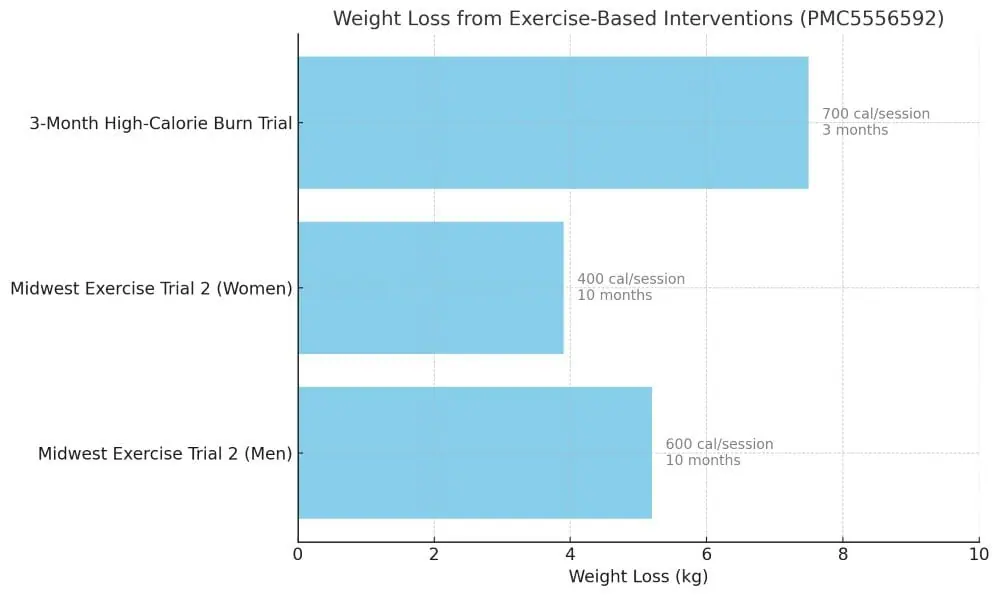
Not all gym workouts deliver the same punch. Fat loss isn’t only about sweating; it’s about moving smarter. High-volume, higher-intensity training that recruits large muscle groups burns more energy during the session and increases the “afterburn” afterward. Consistently aiming for meaningful work (roughly 400–600 calories per session, several days per week) can drive clinically important changes over time.
The type of exercise matters because compound training and structured cardio do more than torch calories – they help preserve and build lean muscle. Muscle is metabolically active tissue, which means the more you carry, the higher your resting metabolic rate. That’s why a balanced approach combining strength, cardio, and HIIT is so effective for sustainable fat loss.
Put simply, more lean muscle makes it easier to shed fat and keep it off. A smart mix of intense training, strength work, and cardio keeps your metabolism high, protects muscle during dieting, and supports long-term results – all while reinforcing healthy habits.
Cardio Exercises That Burn the Most Calories
Cardio is still a cornerstone of fat-burning workouts – especially when you match the tool to your body and dial in the right intensity. Think of cardio days in two flavors: steady, low-impact work that builds your base, and vigorous intervals that spike energy expenditure.
If you’re unsure how often to train, here’s a clear take on how many days you should work out to keep results and recovery balanced.
If your joints tolerate impact, jump rope is a dark-horse favorite among calorie-burners. Most people won’t jump nonstop for 30 minutes; instead, tuck in short rope rounds between strength sets or at the end of a session as a finisher. It’s portable, rhythmic, and sneaky-effective.
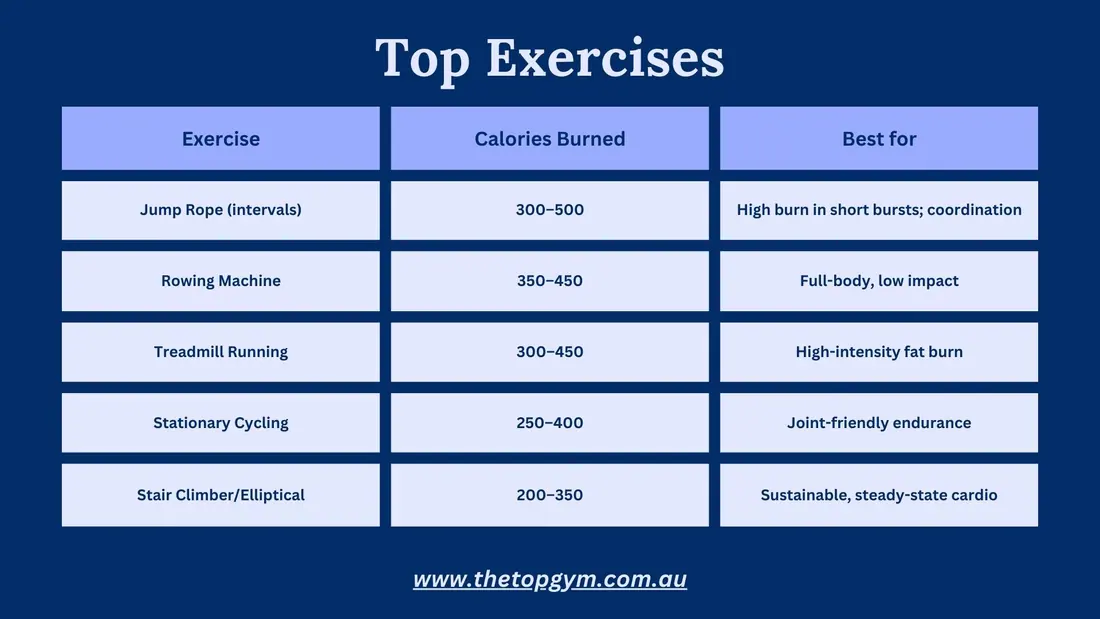
Rowing has similar magic. The rowing machine recruits legs, back, arms, and core in one fluid pull, making it one of the best low-impact options for full-body burn. The treadmill remains the classic – steady runs for aerobic base or sprints for a sharp metabolic hit. Stationary cycling and the stair climber/elliptical round out a versatile toolkit if you want endurance with less pounding.
Approximate calories burned in 30 minutes (this varies by body size, pace, resistance, and form):
A quick word on heart-rate zones: for “moderate” days, aim around 50–70% of your max heart rate; for “vigorous,” 70–85% (a simple estimate for HRmax is 220 − age). You’ll also hear about Zone 2 – that conversational effort range that quietly builds your aerobic base and helps you recover. Combine Zone 2 days with one or two interval days and you’ve got a flexible blueprint most people can maintain.
Strength Training: Building Muscle to Burn Fat
Cardio burns calories now; strength training helps you burn more all day. It shapes your body, protects lean mass in a deficit, and nudges metabolism upward. Prioritise compound exercises for fat loss – the big, multi-joint moves that train a lot of muscle at once: squats, deadlifts, bench press or dumbbell press, pull-ups/lat pulldowns, and weighted lunges.
Treat lifting like a plan, not a playlist. That means progressive overload – adding a little weight, a rep, or a set over time. Most people do well in the 6–12 rep range with 60–90 seconds rest. Sprinkle in supersets (pairing two moves back-to-back) or short circuits to keep your heart rate honest without turning your strength work into sloppy cardio. Track your numbers; watching strength climb is one of the cleanest signs your program – and metabolism – are trending up.
HIIT: The Afterburn Effect
HIIT blends intensity with efficiency. Alternating short, hard efforts with controlled recovery creates a measurable afterburn (EPOC) that keeps your engine revving long after you leave the gym.
If you’re new to intervals, try a 30-20-10 pattern: 30 seconds easy, 20 seconds moderate, 10 seconds full-gas, then repeat. It’s a friendly on-ramp to going hard without detonating yourself in the first minute. Rotate tools – rower sprints one day, battle ropes or bike the next – to spare joints and keep the stimulus fresh.
A simple 20-minute HIIT circuit
Work 30 seconds per movement, rest 30 seconds, then repeat the block 4–5 times: burpees → rowing sprint → battle ropes → box jumps.
Top 10 Exercises to Lose Weight
Here are the heavy hitters. These are efficient, scalable, and show up again and again in programs that work. Use them as ingredients; your best gym workouts for weight loss will mix a couple of strength staples with a cardio modality you’ll actually repeat.
1. Burpees
- Equipment: None
- Muscles worked: Full-body, high-intensity; big afterburn.
- Calories burned: ~10 calories per minute
- Why it works: Combines strength and cardio for maximum calorie burn and afterburn effect.
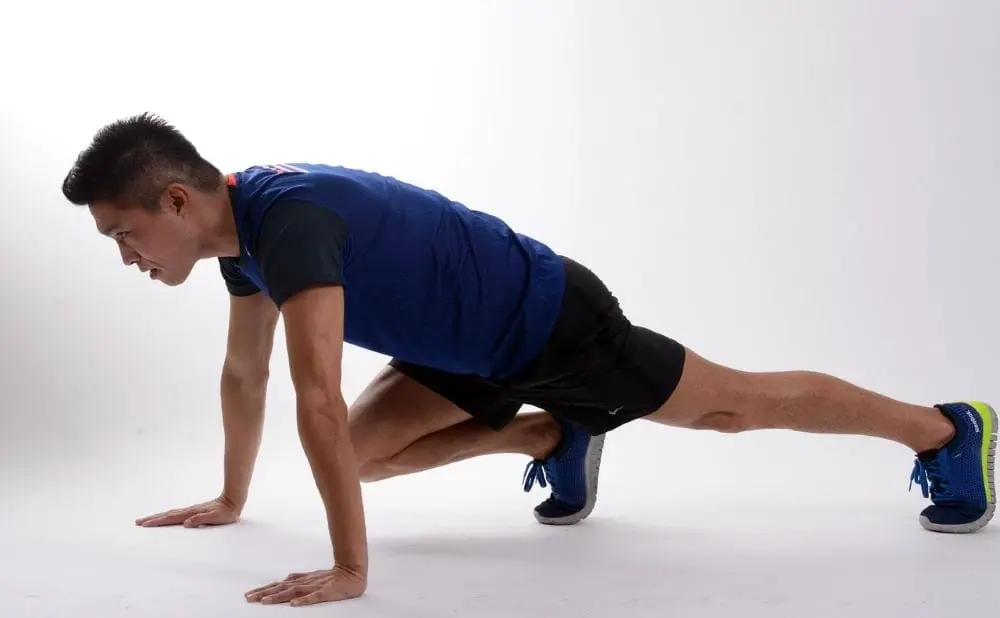
High-intensity moves like burpees can spike metabolism and improve fat loss.
2. Kettlebell Swings
- Equipment: Kettlebell
- Muscles worked: Hip-driven power; cardio meets strength.
- Why it works: Hip-powered movement that’s both strength and cardio.

Kettlebell training increases aerobic capacity and muscular endurance.
3. Barbell Back Squats
- Equipment: Barbell + squat rack
- Muscles worked: Lower-body muscle and metabolism.
- Why it works: Builds major muscle mass and drives metabolism.

Strength training boosts lean mass and resting metabolic rate.
4. Rowing Machine
- Equipment: Rowing machine
- Muscles worked: Full-body, low-impact calorie burn.
- Calories burned: Up to 400+ in 30 mins
- Why it works: Full-body, low-impact cardio with resistance.
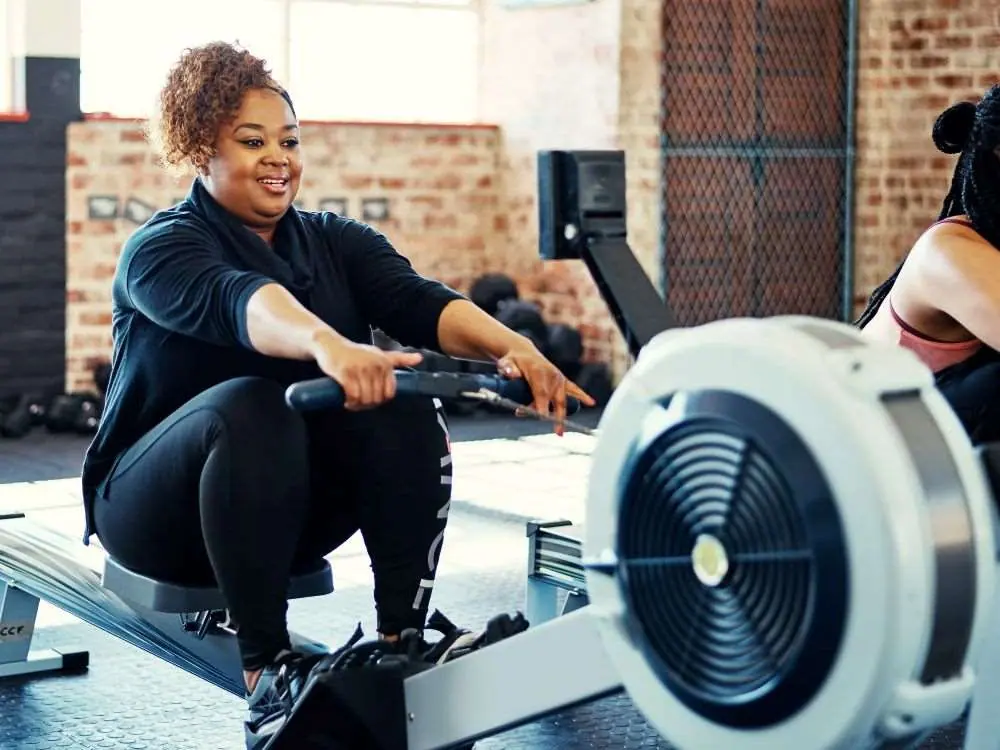
Rowing engages multiple muscle groups and increases cardiovascular endurance.
5. Box Jumps
- Equipment: Plyometric box
- Muscles worked: Explosive power; excellent as a short-burst finisher.
- Why it works: Explosive movement that spikes heart rate.

Plyometric exercises improve metabolic rate and anaerobic power.
6. Dumbbell Deadlifts
- Equipment: Dumbbells
- Muscles worked: Posterior chain strength with strong energy demand.
- Why it works: Strengthens your posterior chain and boosts total calorie burn.

Deadlifts engage large muscle groups and support fat loss.
7. Thrusters
- Equipment: Dumbbells or barbell
- Muscles worked: Lower-body drive plus overhead press in one move.
- Why it works: Combines upper and lower body strength with cardio output.
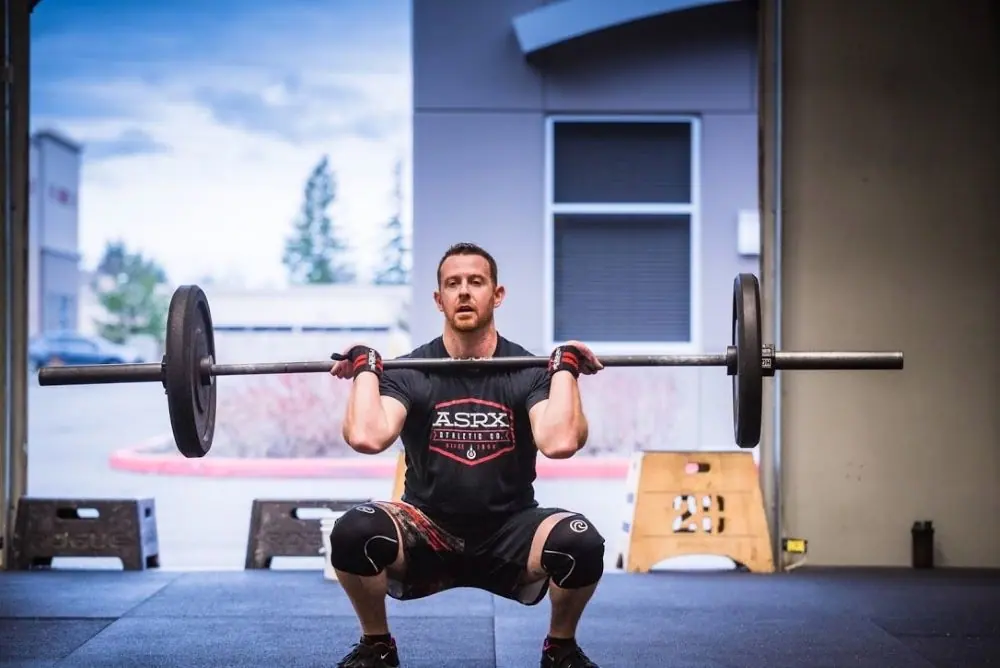
Thrusters provide a full-body metabolic challenge.
8. Battle Ropes
- Equipment: Battle ropes
- Muscles worked: Quick, joint-friendly metabolic spikes.
- Calories burned: Up to 120 in 10 minutes
- Why it works: High-intensity conditioning tool for quick fat burn.

Battle ropes create high and more energy expenditure with minimal joint stress.
9. Treadmill Running (or Sprints)
- Equipment: Treadmill
- Muscles worked: Classic, scalable conditioning.
- Why it works: Classic cardio option that’s great for intervals or endurance work.

Running at moderate to high intensity reduces body fat effectively.
10. Barbell Bench Press
- Equipment: Barbell + bench
- Muscles worked: Upper-body muscle that supports total daily burn.
- Why it works: Builds upper back and body strength and mass in muscles.

Upper body resistance training aids overall fat loss by boosting resting metabolism.
A Weekly Gym Workout Plan for Fat Loss
How you arrange the week matters as much as what you do within a session. Keep intensity honest, form crisp, and recovery intentional.
3-Day Beginner Routine
Day 1 – Full-body strength (squat, press, pulldown, lunges), finish with 5–8 minutes of jump rope or brisk incline walk.
Day 2 – Cardio (rowing or treadmill intervals, e.g., 1 minute hard / 2 minutes easy × 8–10).
Day 3 – Strength plus a short HIIT finisher (e.g., deadlifts, dumbbell bench, rows, then burpees + ropes).
5-Day Weekly Schedule (Intermediate/Advanced)
Day 1 – Push + short HIIT (chest/shoulders/triceps, then 8–10 minutes of intervals).
Day 2 – Pull + cardio (back/biceps, then steady Zone 2 cycling or incline treadmill).
Day 3 – Legs (squats, lunges, RDLs; optional sled pushes or a stair finisher).
Day 4 – Cardio emphasis (rower intervals + core).
Day 5 – Mixed HIIT circuit (burpees, ropes, box jumps, bike sprints).
Make it a 4-week weight-loss plan: Week 1 learn the movements and find sustainable intensities; Week 2 add a set or 1–2 intervals; Week 3 nudge load or interval time up slightly; Week 4 consolidate – same work, cleaner form, a touch less rest. Then deload lightly or rotate exercises and repeat.
Nutrition, Macros & Daily Movement (NEAT)
Exercise is the accelerator; nutrition is the steering wheel. A modest calorie deficit drives fat loss, but your macros matter too. Aim for protein around 1.6–2.2 g/kg/day, spread evenly across meals (roughly 0.25–0.4 g/kg per meal) to support muscle retention. Carbs earn their keep around training windows; fats comfortably fill the rest within your calories. A simple post-workout habit – protein plus a carb – helps you recover and show up strong for the next session.
Don’t sleep on NEAT (non-exercise activity thermogenesis) – all the movement outside the gym: steps, stairs, chores, walking meetings. NEAT can quietly add hundreds of calories to your daily burn. A bias toward 8–12k steps per day (adjust to your reality) often breaks plateaus without touching your formal training.
If you use supplements, keep it simple. Creatine monohydrate (3–5 g/day) is well-researched and can help maintain training quality; an early blip on the scale is usually water, not fat.
Sleep 7–9 hours where you can, and respect recovery. Your body changes between workouts, not during them.
Warm-Up, Mobility & Recovery
Two minutes of smart prep makes your first work set feel like your third. Use simple patterns – hip hinges, ankle rocks, shoulder circles – to “grease” positions you’ll use in training. Finish sessions with a downshift: a few deep breaths, a calf or hip-flexor stretch, a slow walk off the adrenaline. Think of it as closing a loop so you leave feeling better than you arrived.
Mistakes to Avoid
It’s easy to chase the “fat-burning heart-rate” number on a machine as if it were gospel. Treat heart-rate zones as guides, not laws; what matters most is the total work you can recover from consistently. A mix of Zone 2 base and thoughtfully dosed intervals beats trying to live at one magic number.
The other trap? Letting the gym be your whole story. People often train more but move less the rest of the day. Keep NEAT high – walk after meals, take calls on your feet, park a little farther – and your weekly burn climbs without extra willpower.
Pro Tips for Long-Term Results
- Use an app or notebook to track progress
- Set realistic goals – small wins add up
- Partner with a Top Gym personal trainer
- Celebrate non-scale victories like improved endurance, sleep, or confidence