

How Gym Culture Has Changed in the Last 5 Years: An Aussie Perspective
Australian gym culture has evolved dramatically over the past five years, transitioning from a niche, exclusive activity to a widely embraced lifestyle choice among diverse groups of Australians. Several factors contribute to this shift, including heightened awareness of health and wellness, the impact of social media, and a growing variety of fitness options.
Finally, there’s a growing emphasis on holistic wellness, rather than solely focusing on physical appearance. You’ll find that many gyms now offer services such as nutritional counselling, mindfulness workshops, and recovery sessions, recognising the importance of mental and emotional wellbeing alongside physical fitness. This reflects a more balanced and sustainable approach to health, acknowledging that true wellness encompasses all aspects of your life.
How Gym Culture in Australia is Transforming
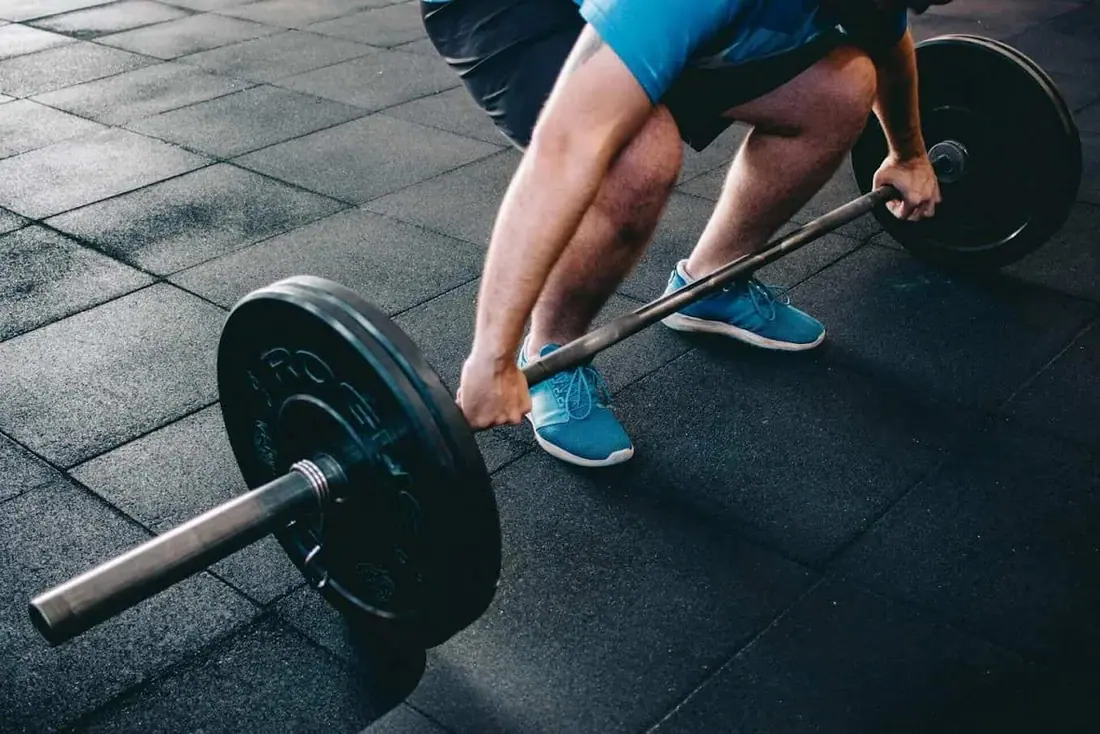
Step into any gym across Australia, and you’ll quickly realise you’re not just entering a space for physical exertion; you’re immersing yourself in a dynamic and constantly evolving culture. Gym culture, in its essence, represents the shared values, behaviours, and social interactions that define the experience of fitness enthusiasts. From the clanging of weights to the latest fitness trends, it’s a world with its own unique language and unspoken rules.
But the gym culture you experience today is vastly different from what it was even a decade ago. The rise of social media, the increasing awareness of mental health, and the diversification of fitness options have all contributed to a significant shift. Gone are the days when bodybuilding was the sole focus; now, you’re just as likely to find people engaging in CrossFit, yoga, or functional training.
The Rise of Boutique Fitness Studios
Gym culture has undergone a significant shift in recent years, largely due to the rise of boutique fitness studios. These studios offer a more specialised and often more intimate alternative to traditional gyms. Instead of rows of treadmills and weight machines, you’ll often find dedicated spaces for specific workout types like spin, yoga, Pilates, barre, or high-intensity interval training (HIIT).
This trend caters to a growing desire for personalised fitness experiences. Boutique studios often emphasise community, offering smaller class sizes that allow for more individual attention from instructors. This personalised approach can be incredibly motivating and help you achieve your fitness goals more effectively than simply navigating a large gym on your own. Furthermore, many boutique studios foster a strong sense of belonging, creating a supportive environment where you feel comfortable and encouraged.
The popularity of these studios has influenced the broader gym culture, pushing traditional gyms to adapt. You might now see larger gyms offering smaller, specialised classes or creating dedicated boutique-style spaces within their facilities to compete with the unique offerings of these smaller studios. This competition ultimately benefits you, the consumer, by providing a wider range of fitness options to suit your individual needs and preferences.
The Impact of Social Media and Fitness Influencers

Social media has profoundly reshaped gym culture. Fitness influencers, with their carefully curated images and workout routines, exert a significant influence on your perceptions and motivations within the gym environment. You might find yourself drawn to specific exercises or dietary approaches promoted by these individuals, often aspiring to achieve a similar physique or level of performance.
However, it’s crucial to approach this influence with a critical eye. The highlight reels often presented online rarely showcase the full picture, potentially leading to unrealistic expectations and body image issues. Remember that genetics, training history, and even editing techniques play a role in the images you see. It’s wise to use social media for inspiration and learning, but avoid comparing your journey to someone else’s seemingly perfect portrayal.
Furthermore, the rise of online fitness communities can both benefit and hinder your gym experience. While you can find support and motivation through online groups, you should also be wary of misinformation or unqualified advice. Always consult with certified professionals for personalised guidance and ensure that any fitness advice you follow is evidence-based and aligns with your individual needs and goals. Social media is a powerful tool, but your health and well-being should always come first.
Technology’s Role in Modern Gyms
Technology has fundamentally reshaped gym culture, influencing everything from workout routines to social interaction. You’ll notice this shift immediately upon entering a modern gym. Gone are the days of purely analogue experiences; instead, you’re greeted with a digital ecosystem designed to enhance your fitness journey.
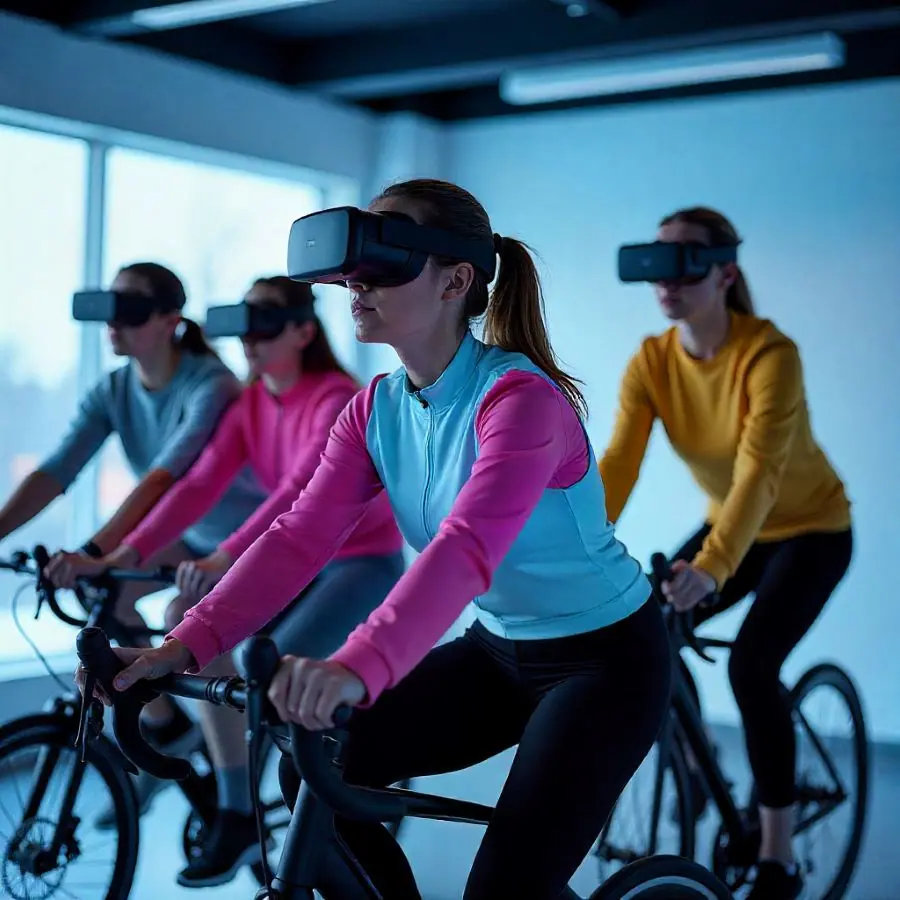
One key area is workout tracking. Wearable fitness trackers, smartwatches, and gym equipment with built-in sensors provide real-time data on your performance – heart rate, calories burned, distance covered, and more. This data allows you to monitor your progress, identify areas for improvement, and tailor your workouts for optimal results. Many gyms now integrate these technologies, offering personalised training programmes based on your individual data.
Furthermore, online fitness classes and virtual training sessions have become integral to gym culture. You can now access a vast library of workout videos and live classes, allowing you to diversify your routines and train with instructors from around the globe. Apps connect you to other gym-goers, fostering a sense of community and providing a platform for sharing progress and tips. This digital connectivity has expanded the gym beyond its physical walls, creating a more inclusive and accessible fitness environment. The rise of interactive fitness equipment, like Peloton bikes and treadmills, further blurs the line between home and gym workouts, changing how you perceive and engage with exercise.
Increased Focus on Mental Wellbeing and Holistic Fitness
Gym culture is evolving beyond simply chasing physical aesthetics. You’ll notice a significant shift towards prioritising mental wellbeing and a more holistic approach to fitness. This means acknowledging that your physical health is intrinsically linked to your mental and emotional state.
This increased awareness manifests in several ways. You might find gyms offering mindfulness workshops, yoga classes designed to reduce stress, or even incorporating meditation sessions into their routines. The focus is shifting from solely building muscle mass to fostering a sense of inner peace and overall wellbeing. You’re encouraged to view fitness not just as a means to an end (a certain physique), but as a tool for managing stress, improving sleep, and boosting your mood.
This holistic approach also involves recognising the importance of nutrition and recovery. You’ll see a greater emphasis on balanced diets, proper hydration, and adequate rest. Gyms are increasingly providing resources and guidance on these aspects, acknowledging that they are just as crucial as the workouts themselves. Ultimately, the goal is to help you achieve a sustainable and healthy lifestyle, where your mental and physical health are both nurtured and prioritised. You’re empowered to take a more balanced and mindful approach to your fitness journey.
The Changing Demographics of Gym-Goers
Australian gym culture, once dominated by younger men focused primarily on bodybuilding, has become far more diverse in recent years. Today, gyms reflect a much broader mix of ages, genders, and fitness levels, reshaping the atmosphere and social dynamics within these spaces.
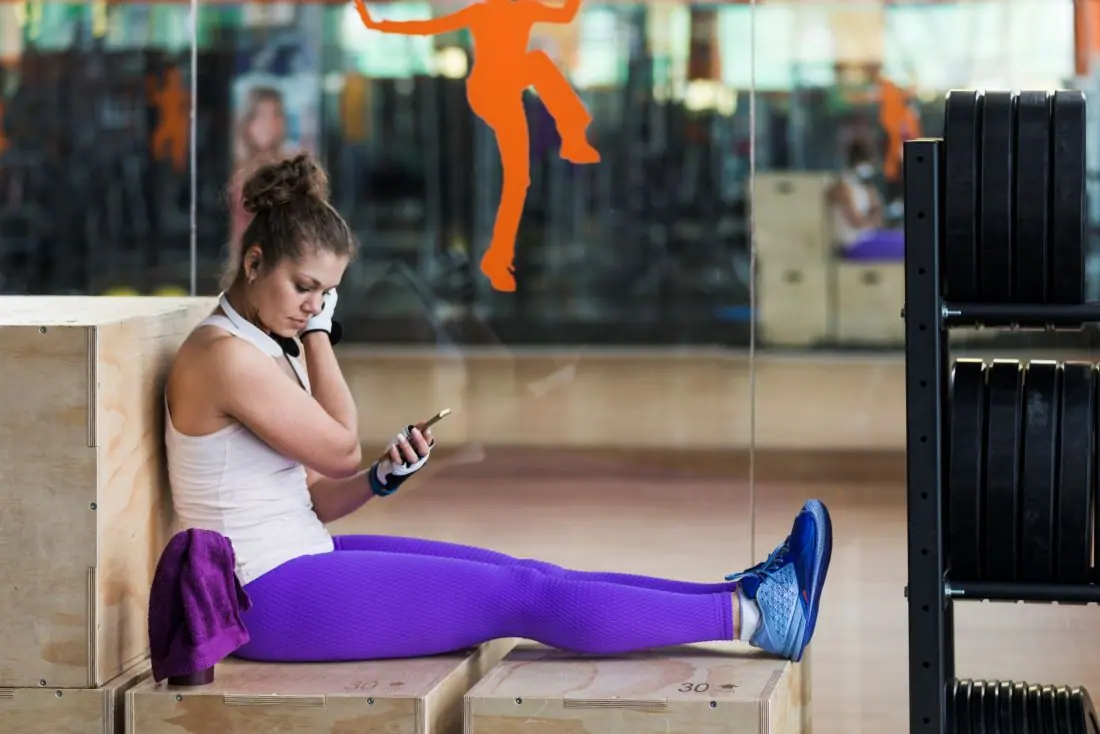
One of the most noticeable shifts is the growing participation of women. No longer confined to cardio areas or group classes, women are now confidently engaging in strength training, HIIT, and functional fitness. This has helped break down outdated gender stereotypes, fostering a more inclusive and supportive gym environment.
The aging population has also played a key role in this transformation. More older Australians are recognising the importance of staying active to maintain health, mobility, and independence. Many gyms now offer tailored programs and classes designed for older adults, creating welcoming communities that prioritise both physical and social wellbeing.
Accessibility and affordability have further expanded the reach of gym culture. The rise of budget-friendly chains and digital fitness platforms means more Australians from varied socioeconomic backgrounds can participate. In addition, online communities provide a sense of connection and motivation, extending the culture of fitness beyond the gym floor.
Together, these shifts are enriching Australian gym culture, making it more welcoming, representative, and adaptable to the needs of a diverse population.
Gym Etiquette and Social Norms: Then and Now
Gym etiquette in Australia has evolved just as much as gym culture itself. What was once a mostly unspoken code of conduct has now become clearer and more widely acknowledged, reflecting the increasing diversity and popularity of fitness spaces.
In the past, etiquette was guided by simple respect and common sense, often learned through observation: re-racking weights, wiping down equipment after use, and keeping noise levels reasonable. These basics remain the foundation of respectful gym behaviour.
Today, however, the rules have grown more nuanced. The rise of smartphones and social media has brought new considerations – from filming workouts without infringing on others’ privacy to managing phone calls or music volume in shared spaces. With the growing mix of training styles, from heavy powerlifting to mindful yoga, gym-goers also need to be mindful of varying space needs and avoid disruptions to others’ routines.
At its core, good gym etiquette is about respect – for the equipment, for the space, and most importantly, for fellow members. By following these guidelines, you contribute to a positive and inclusive environment, helping ensure gyms remain welcoming places where everyone can focus on their health and wellbeing.
The Future of Gym Culture in Australia
Gym culture in Australia is on a fast-paced journey of transformation, fuelled by advances in technology, changing attitudes toward health, and a growing focus on both physical and mental wellbeing. More than ever, Aussies are seeking fitness experiences that align with their personal goals, lifestyles, and values.
Looking ahead, expect to see technology play an even bigger role. Wearable devices and smart gym equipment will continue to provide personalised, data-driven fitness plans. Virtual and hybrid training options will expand, making it easier to stay active whether you’re at the gym, at home, or on the move.
Community and inclusivity will also remain at the heart of the future fitness landscape. From boutique studios fostering close-knit support networks to larger gyms offering specialised classes for all ages and abilities, the Australian fitness scene will keep moving toward a culture that welcomes everyone. The distinction between traditional gyms and boutique fitness spaces is likely to blur further, offering more choice and flexibility for individuals.
Most importantly, the future of gym culture isn’t just about physical transformation – it’s about cultivating long-term wellbeing. Mental health, recovery, and nutrition will continue to take centre stage, creating a truly holistic approach to fitness.
For Australians, this means the gym of the future will be more than a place to train; it will be a hub for health, connection, and growth. By embracing these changes, you can shape a fitness journey that supports not just your body, but your overall quality of life.