

How to rehydrate yourself? Start by sipping water gradually to avoid flushing out electrolytes. After an intense sweat session, especially following intense exercise or spending time in a hot environment, dehydration risk increases significantly.
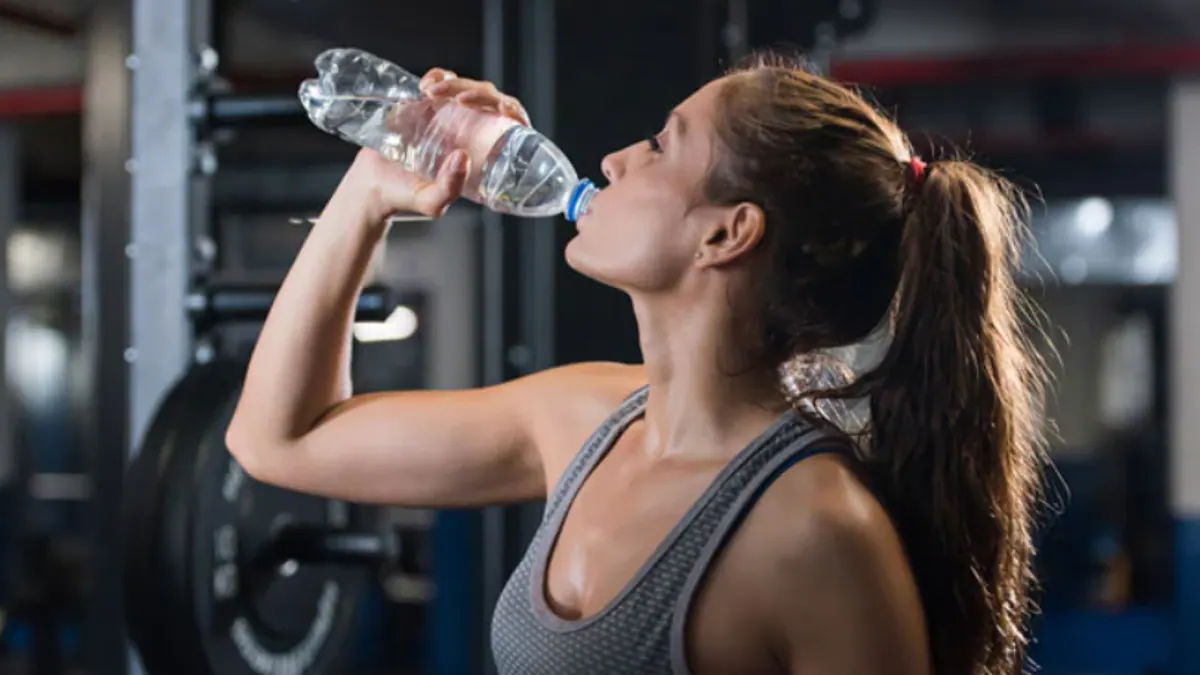
Replace lost fluids and electrolytes with drinks like coconut water or low-sugar sports beverages. Eat hydrating foods such as watermelon and cucumber, and continue rehydrating over several hours to restore your body’s fluid balance.
That post-workout haze, dizzy spell, or pounding headache after an intense sweat session – it’s your body’s way of saying, “I’m running on empty.” When you sweat, you lose more than water.
You lose vital electrolytes – sodium, potassium, and chloride – that keep your muscles firing, your heart beating steadily, and your brain focused.
Learning deeply how to rehydrate yourself properly isn’t just about drinking more water. It’s about restoring what your body loses and doing it in the right way, at the right time.
Key Takeaways
- Rehydration is about balance – water, electrolytes, and timing.
- Electrolytes matter just as much as water for recovery.
- Hydrating foods help replenish fluids and nutrients.
- Timing is crucial – rehydration continues hours after sweating stops.
- Avoid overhydration and sugary energy drinks that can do more harm than good.
- Stay hydrated throughout the day, not just after workouts, to prevent dehydration.
- Carry a reusable water bottle to make it easier to drink water regularly.
In this article, we’ll walk through practical, science-backed steps on how to rehydrate yourself after sweating – so you can recover faster, stay sharp, and feel your best.
What Really Happens to Your Body When You Sweat?
Sweating is your body’s built-in cooling system – an elegant process that helps regulate body temperature during exercise, heat exposure, or stress.
But as sweat evaporates, it takes with it not just water, but crucial minerals known as electrolytes.
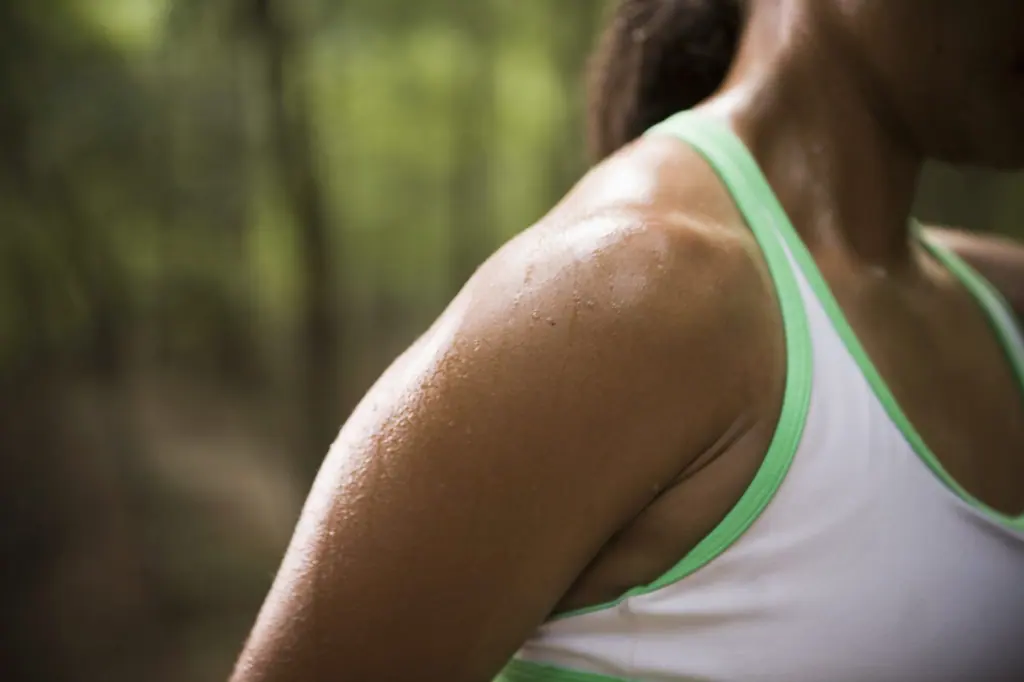
When your fluid levels drop, blood volume decreases, your heart works harder, and your muscles receive less oxygen.
The result? Fatigue, cramps, dizziness, and headaches. In severe cases, dehydration can impair focus, coordination, and even mood.
Adequate hydration is also essential to transport nutrients throughout the body and lubricate joints, supporting overall health and mobility.
Early signs of dehydration include:
- Thirst and dry mouth
- Headache or light-headedness
- Fatigue and muscle cramps
- Dark yellow urine
If you’ve felt these after a workout, your body’s calling out for more than a quick sip of water – it’s time for strategic rehydration.
How Do You Know If You’re Dehydrated?
You may be dehydrated if you notice dark urine, dry lips, fatigue, dizziness, sunken eyes, dry skin, or a slow skin pinch test. Weighing yourself before and after exercise helps determine fluid loss, guiding how much you need to rehydrate.
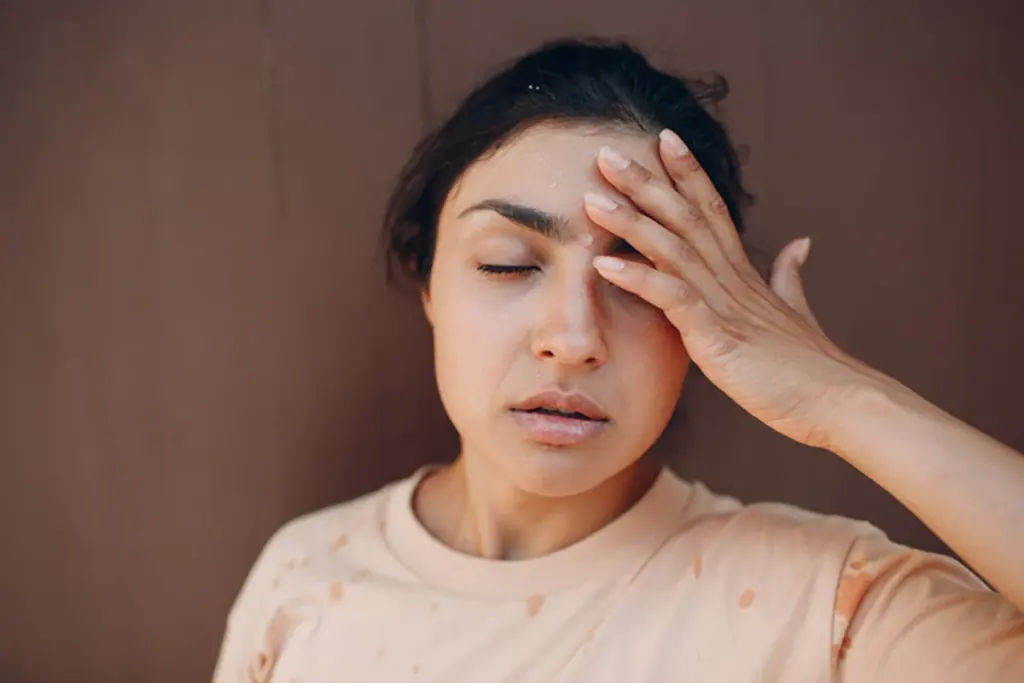
Before reaching for that bottle, it helps to assess your hydration level. You can do this with a few simple cues:
- Check your urine: Pale yellow means hydrated; darker shades mean you need fluids.
- Weigh yourself: Losing more than 2% of body weight post-exercise = moderate dehydration. This helps you estimate how much fluid you need to replace.
- Observe symptoms: Dry lips, fatigue, dizziness, poor concentration, sunken eyes, or dry skin are clear signs.
- Skin pinch test: Gently pinch the skin on the back of your hand. If it takes a few seconds to return to normal, it may indicate dehydration.
Recognizing the symptoms of dehydration helps tailor how you rehydrate – mild dehydration may only need water and food, while moderate dehydration calls for electrolyte-rich drinks.
How to Rehydrate Yourself the Right Way (Step-by-Step)
Step 1: Replenish Fluids Gradually
Start by sipping drinking water – not chugging. Drinking too much at once can flush out remaining electrolytes and cause bloating.
A good rule of thumb: how much fluid you need depends on your weight loss and activity. Drink 1.5 liters of fluid for every kilogram lost during activity, spread over a few hours.
Step 2: Replace Lost Electrolytes
Electrolytes help regulate muscle contractions and nerve function. If you’ve sweat heavily, replace them through:
- Coconut water or low-sugar sports drinks (a sports drink is a key option for quickly replacing lost electrolytes after intense exercise or hot weather)
- Natural options: bananas, oranges, yogurt, leafy greens, or broth
- DIY drink: mix 1L water, ½ tsp salt, 2 tbsp sugar, and a splash of lemon
Oral rehydration solution and oral rehydration solutions are also effective, especially after illness, vomiting, or diarrhea.
A rehydration solution can be homemade (like the DIY drink above) or purchased at a pharmacy. Fruit juice can help with hydration and provide some electrolytes, but choose carefully due to its high sugar content.
Step 3: Eat Hydrating Foods
Hydrating isn’t only about drinks – your plate helps, too.
Include foods with high water content like:
- Fresh fruits such as watermelon, oranges, strawberries, and tomatoes are top choices for hydration and can help you rehydrate quickly after fluid loss.
- Soups or smoothies that combine fluid + nutrients
- For children, electrolyte ice pops are a great hydrating option, especially when rapid rehydration is needed.
These help replenish electrolytes, glucose, and antioxidants to repair your body post-sweat.
Step 4: Time Your Rehydration
Rehydration doesn’t stop when you stop sweating. The body continues recovering hours after.
If you are only slightly dehydrated, following these timing guidelines is usually sufficient to restore your hydration levels.
Follow the 150% rule: consume 1.5x the fluid you lost over the next 2–4 hours.
These timing strategies help treat dehydration and treat dehydration caused by exercise, heat, or illness.
Hydrate slowly, and monitor how your energy, urine color, and mood respond.
Step 5: Make It a Habit
Hydration should be proactive, not reactive.
- Drink a glass of water upon waking up.
- Keep a reusable water bottle nearby throughout the day.
- Use hydration reminders or smart bottles if you often forget.
These habits help you stay hydrated throughout the day. Small daily habits prevent bigger problems later – like fatigue, poor recovery, or headaches.
When Should You Rehydrate Besides Workouts?
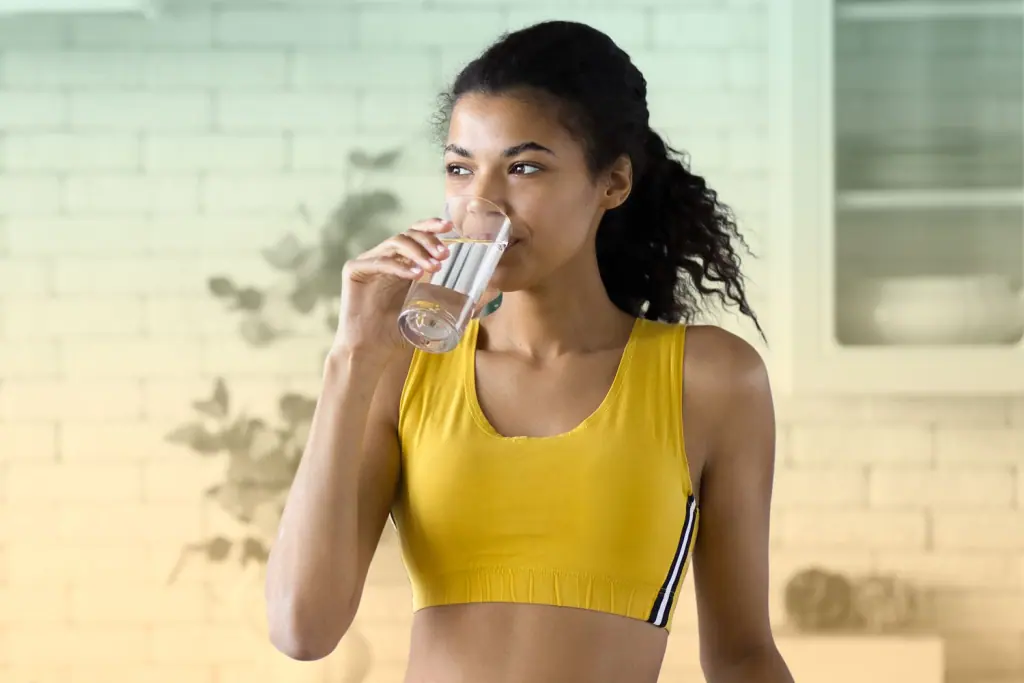 You should rehydrate anytime your body loses fluids, not just when you sweat. Sweating isn’t the only way your body loses fluids. You should rehydrate when:
- You’ve been sick (fever, vomiting, or diarrhea).
- You’ve consumed alcohol or caffeine.
- You’re exposed to a hot environment for long periods.
- You’ve engaged in intense exercise.
- You’ve taken long flights or drives in dry air.
Oral rehydration solutions are effective to treat dehydration caused by illness, intense exercise, or being in a hot environment, as they help quickly replace lost fluids and restore electrolyte balance.
Even without visible sweat, fluid loss continues through breathing and urination – so hydration should be consistent, not just workout-based.
Hydration and Age: Why Your Needs Change Over Time?
As we age, our bodies handle hydration differently, making it even more important to pay attention to fluid intake.
Older adults are at a higher risk of dehydration because the body’s thirst signals become weaker, and total body water decreases over time.
This means you might not feel thirsty even when your body needs more fluids, especially during hot weather or after physical activity.
To prevent dehydration, older adults should make a conscious effort to drink enough liquids throughout the day, with plain water being the best choice for maintaining fluid balance.
Monitoring urine color is a simple way to check hydration status – if you notice dark yellow pee, it’s a sign you need to increase your fluid intake.
Replacing lost fluids isn’t just about water; it’s also about maintaining electrolyte balance. Including plenty of fruits and vegetables in your diet can help restore lost fluids and provide essential electrolytes, supporting your body’s fluid balance.
By staying hydrated and making these habits part of your daily routine, you can help prevent dehydration and its complications as you age.
How Hydration Affects Your Blood Pressure?
Your hydration status has a direct impact on your blood pressure and overall cardiovascular health.
When your body loses too much fluid – whether from sweating, illness, or not drinking enough – your blood volume drops, which can cause your blood pressure to fall.
This may lead to dehydration symptoms such as dizziness, a dry mouth, and feeling lightheaded or tired.
To maintain healthy blood pressure, it’s important to drink fluids regularly and avoid letting yourself get dehydrated.
This is especially crucial if you’re physically active or take certain medications that increase fluid loss.
While it’s important to drink enough, consuming too much fluid at once can also disrupt your body’s fluid balance.
Be mindful of what you drink: sugary drinks, caffeinated drinks, and fizzy drinks can actually worsen dehydration and may contribute to serious complications if consumed in excess.
Instead, focus on staying hydrated with water and other healthy fluids to help your body function properly and keep your blood pressure in check.
By making hydration a daily priority, you can help prevent dehydration and support your overall well-being.
What Should You Avoid When Trying to Rehydrate?
Not all liquids help – some can actually worsen dehydration.
Avoid or limit:
- Sugary drinks (they delay absorption and spike insulin).
- Caffeine-heavy energy drinks (they increase fluid loss).
- Overhydration (drinking excessive water without electrolytes can dilute sodium levels, leading to hyponatremia).
Your goal isn’t to flood your system – it’s to restore balance.
What Are the Best Daily Habits for Staying Hydrated?
You don’t have to wait for thirst or fatigue to strike.
Here are simple strategies to stay ahead of dehydration:
- Drink a glass of water before every meal.
- Flavor water with fruits or herbs to make it more enjoyable.
- Eat at least two servings of high-water fruits or veggies daily.
- During workouts, take small sips every 15–20 minutes.
- Track your intake – aim for 30–35 ml of water per kg of body weight daily.
Think of hydration as a slow, steady investment – not a one-time fix.
Conclusion: Hydrate Smarter, Recover Faster
Learning how to rehydrate yourself properly is about more than quenching thirst – it’s about giving your body the tools to perform, recover, and feel its best.
Every drop counts when it comes to muscle repair, brain function, and overall well-being.
So the next time you break a sweat, remember: rehydration isn’t just recovery – it’s your body’s reboot button.
Sip smart, eat hydrating, and let balance be your new baseline.