


Your First Workout Shouldn’t Be Confusing – Just Empowering
Starting a fitness routine as a woman can feel intimidating, especially inside a gym full of unfamiliar equipment and routines. But it doesn’t have to be. This guide walks you through a basic workout routine for women, designed to build confidence, strength, and a healthy foundation – without needing to “figure it all out” alone.
Whether you’re stepping into the gym for the first time or returning after a long break, you’ll learn how to work out safely, effectively, and without overwhelm. We’ll cover beginner strength training, cardio options, and stretching essentials – along with tips to help you feel more at home in the gym.
This isn’t about looking a certain way. It’s about building a body and mindset that help you feel strong, capable, and proud of your progress.
Strength Training: Build Strength and Confidence From Day One

Why Strength Workouts Matter
Strength training workouts are essential for building muscle endurance, increasing lean muscle, and boosting your metabolism. For women starting out, they’re one of the most effective ways to support fat loss, improve balance, and feel stronger in daily life. And no – you don’t need heavy weights right away. Starting with body weight exercises is more than enough to develop a solid base.
Whether you’re using a goblet squat at the gym or just your own bodyweight at home, the goal is to move with good form and learn how to engage each muscle group properly. Focus on control and posture before worrying about how much weight you can lift.
Beginner-Friendly Strength Circuit (No Equipment Required)
Start with full-body movements that hit your upper body, lower body, and core. Prioritize correct starting position and alignment over speed or reps.
- Squats – 10 reps (feet hip width apart, knees slightly bent)
- Incline Push-Ups – 8 reps (great for building upper body strength gradually)
- Glute Bridges – 10 reps (knees bent, lift hips into a straight line)
- Standing Rows (with resistance band or light weights) – 10 reps
- Plank Hold – 20–30 seconds (keep shoulder blades stable, core tight)
Repeat the circuit 2–3 times, resting 60 seconds between rounds. This strength training routine hits all major muscle groups using accessible movements that build strength without overwhelming you.
Tip: If you’re unsure how to start, a certified personal trainer at your gym can help you customize your form and develop a beginner-friendly workout plan tailored to your needs.
Cardio Training: Build Endurance with Confidence at the Gym

Cardio doesn’t have to mean endless hours on a treadmill. For beginners stepping into a gym environment, the goal is to get familiar with equipment and build consistency – not intensity. Think of cardio as your warm welcome into movement, not a punishment for being new.
Easy Machines to Start With
- Treadmill (Walking or Incline Walks): Start at a steady pace for 10–20 minutes. Add incline instead of speed to ease joint stress and build endurance.
- Elliptical Trainer: Low impact and great for full-body cardio without straining your knees.
- Stationary Bike: Perfect for days when your legs are sore from strength training. Keep your posture upright and aim for steady pedaling, not racing.
- Rowing Machine: Underrated, but excellent for combining cardio with upper body engagement.
Sample Weekly Cardio Plan for Beginners
| Day | Activity | Duration |
|---|---|---|
| Monday | Incline Walk on Treadmill | 20 min |
| Wednesday | Stationary Bike Intervals (easy pace + short sprints) | 15–20 min |
| Friday | Elliptical Steady-State Cardio | 25 min |
Tips for Cardio Success in the Gym
- Use the “talk test”: If you can speak in full sentences but feel challenged, you’re in the right zone.
- Watch your posture: Keep your chest up, shoulders back, and avoid slumping over the machines.
- Don’t skip warm-ups: 5 minutes of slow cardio before your session primes your body for better performance and fewer injuries.
- No need to chase sweat: Focus on moving consistently, not pushing to exhaustion.
Remember: cardio for beginners isn’t about speed – it’s about building trust between you and your body. Progress happens when movement becomes a habit, not a punishment.
Core Training: Stability, Strength, and Everyday Confidence
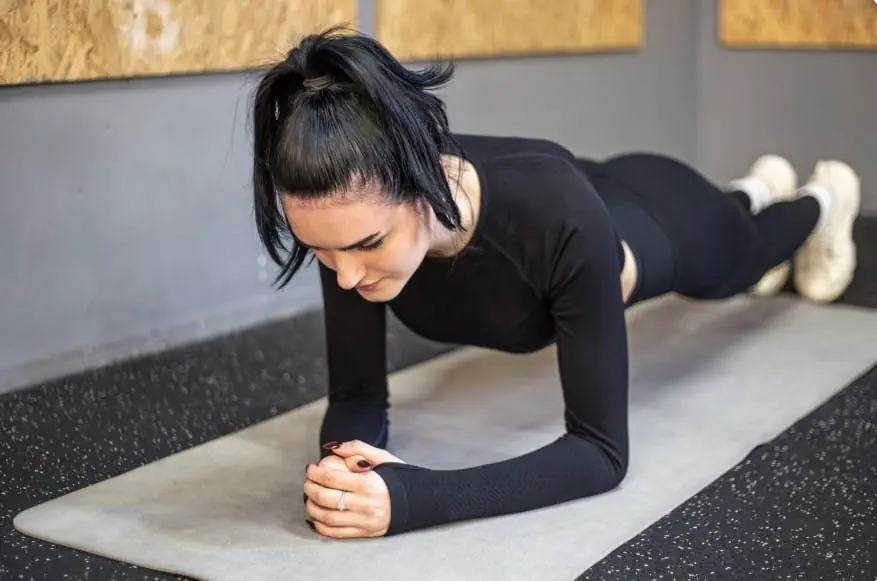
A strong core is the foundation of nearly every movement you make – helping with posture, balance, and daily tasks like lifting groceries or standing for long hours. Building core strength also enhances your entire workout routine, supporting both your upper body strength and lower body control.
Whether you’re using body weight or machines, these beginner-friendly exercises focus on control and form – without needing heavy weights.
Foundational Core Exercises to Start With
- Dead Bug
Starting position: lie on your back with arms extended and knees bent at 90°. Slowly lower your right arm and left leg without arching your back. Switch sides after each rep. - Cable Woodchoppers
Stand in a shoulder width stance next to the cable machine. With the handle at shoulder height, pull diagonally using your core muscles, not just your arms. Great for obliques and functional strength. - Seated Ab Crunch Machine
Select a lower weight to begin. Engage your abs with each rep instead of relying on momentum. Focus on slowly lowering and lifting for max effect. - Bird-Dog
Begin on all fours. Extend your right arm and left leg, pause in a straight line, then return to the starting position. Switch sides. This improves stability, balance, and muscle endurance.
Beginner Core Routine Example
- 10x Dead Bugs (each side)
- 10x Bird-Dogs (each side)
- 2 sets of 12 Cable Woodchoppers (each side)
- 1 set of Seated Ab Crunch Machine (12–15 reps)
Form tip: Keep your shoulder blades stable and your back flat to protect your spine. Focus on quality – not reps.
Flexibility and Cool-Down: Finish Strong, Recover Smarter
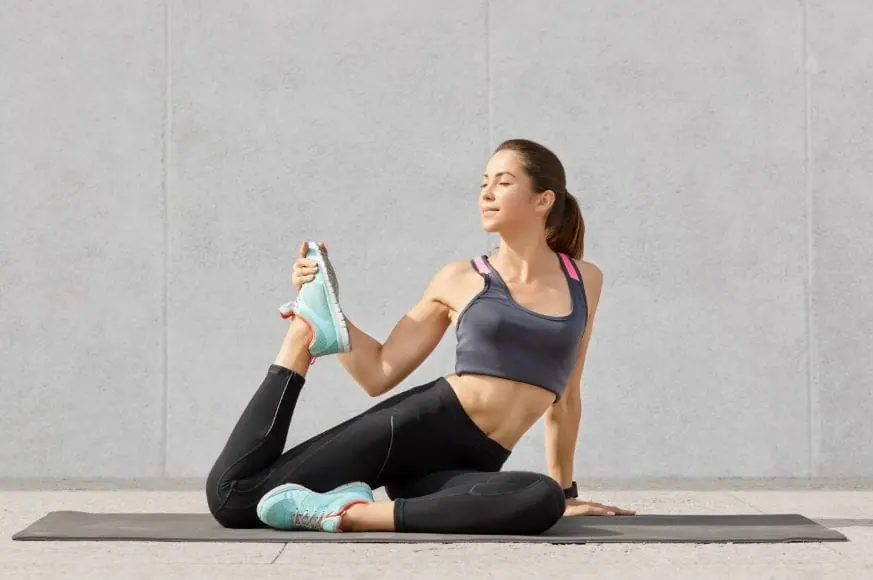
Stretching isn’t just a nice-to-have – it’s essential for recovery and overall fitness level. As a beginner, it’s tempting to skip the cool-down, but this part of your exercise routine supports long-term mobility, reduces muscle tension, and helps prevent injury. It’s also a great time to reconnect with your body and calm your nervous system after effort.
Stretching helps increase your range of motion, improves posture, and sets you up for better form in future strength training workouts. You don’t need much – just space, intention, and a good workout wind-down flow.
Easy Cool-Down Flow (Gym or Home-Friendly)
- Standing Quad Stretch
From a standing position, bend your left knee, grab your ankle behind you, and pull gently toward your glutes. Repeat on the right leg. This stretch is ideal after lower body workouts like squats or lunges. - Seated Forward Fold
Sit with legs extended. Reach toward your toes without bouncing. This improves flexibility in the hamstrings and calves. - Wall Chest Opener
Place your right arm against a wall behind you. Gently turn away to open your chest. Helps after upper body days or seated desk work. - Cat-Cow Stretch
Start on all fours, moving through two yoga poses: round your back (cat) and drop your belly (cow). This improves spinal mobility and relieves tension after core or weight training. - Child’s Pose with Deep Breathing
Knees wide, arms forward, and forehead down on the mat. Breathe slowly to release physical tension and allow your body to enter recovery mode.
Pro Tip: Use a yoga mat or towel to make stretching more comfortable. Most gyms have designated stretching areas – take advantage of them instead of rushing out.
Cool-downs may feel minor, but they’re powerful. They signal to your body that it’s safe to rest, reduce post-workout soreness, and keep your joints healthy – key to sustaining daily workouts and long-term progress.
How to Structure Your Weekly Routine: A Realistic Plan for Beginners
You don’t need to train like an athlete to get results. For most women starting out, consistency beats intensity. A smart, balanced weekly workout plan builds strength, boosts energy, and avoids burnout.
A Sample Beginner-Friendly Weekly Plan
| Day | Focus | Notes |
|---|---|---|
| Mon | Full Body Strength | Bodyweight or light weights |
| Tue | Cardio + Stretching | Low-impact: brisk walking or cycling |
| Wed | Rest or Light Movement | Gentle yoga, mobility, or a short walk |
| Thu | Strength (Upper + Core) | Machines or dumbbells for targeted training |
| Fri | Cardio (Optional) | Try dancing, elliptical, or swimming |
| Sat | Lower Body + Stretching | Add resistance bands or free weights |
| Sun | Rest | Recovery day: sleep, hydrate, and refuel |
This layout keeps your body moving while giving key muscle groups time to recover. It’s flexible enough to work around a busy lifestyle – just shift days as needed.
Keep It Sustainable
- Start with 3–4 workout days per week.
- Prioritize good form over heavy weight.
- Include at least one rest day (or more if you’re sore).
- Don’t stress about perfection. Life happens – just keep showing up.
Nutrition and Recovery: Fueling Your Fitness Journey
What you do outside the gym is just as important as what you do inside it. Nutrition and recovery are the quiet powerhouses behind every successful fitness routine. If you’re not eating well or resting enough, your progress will stall – no matter how hard you train.
Eating to Support Your Workouts
You don’t need an extreme diet to feel strong and energized. Just focus on:
- Protein for muscle repair – think lean meats, tofu, legumes, or eggs.
- Complex carbs for lasting energy – like brown rice, oats, and sweet potatoes.
- Healthy fats to support hormone balance – from nuts, seeds, or avocado.
- Hydration to stay sharp and avoid fatigue – water is non-negotiable.
Tip: Eat a light snack 30–60 minutes before your workout (like a banana with peanut butter) and something protein-rich after (like Greek yogurt or a small smoothie).
Why Recovery Matters More Than You Think
Your muscles don’t grow during workouts – they grow after them. Recovery helps your body adapt, rebuild, and come back stronger.
Here’s what to prioritize:
- 7–9 hours of sleep nightly for hormonal balance and muscle repair.
- Active recovery like walking or light stretching to reduce soreness.
- At least 1–2 rest days per week to let your body fully recharge.
- Listen to your body – soreness is okay, but sharp pain is not.
Taking care of your body outside the gym ensures you get more from your efforts inside it.
Common Mistakes to Avoid as a Beginner

Starting strong is important – but avoiding early missteps is what keeps your momentum going. Here are the most common traps women fall into when beginning a workout routine – and how to steer clear of them.
1. Doing Too Much Too Soon
Excitement is great. Burnout? Not so much. Jumping into intense routines too fast can lead to exhaustion or injury. Start simple, stay consistent, and let your body adapt.
2. Skipping Strength Training
Many women focus solely on cardio, missing out on the benefits of resistance work. Strength training builds lean muscle, supports fat loss, and creates lasting changes in body composition. It belongs in your routine from day one.
3. Ignoring Proper Form
Poor form leads to poor results – and potential injury. Take time to learn each movement properly, especially with exercises like squats or push-ups. Quality matters more than quantity.
4. Comparing Yourself to Others
Your journey is yours alone. Comparing your progress to someone else’s (especially online) can kill motivation. Track your own wins – no matter how small.
5. Forgetting to Rest
Rest days aren’t lazy – they’re strategic. Muscles need time to recover and grow. If you’re always sore or tired, it’s a sign to dial it back.
Final Thoughts
Starting a basic workout routine doesn’t need to be overwhelming. With the right mindset and a beginner-friendly plan, you can build strength, boost your confidence, and feel more in control of your fitness journey. The key isn’t perfection – it’s showing up, staying consistent, and giving yourself permission to grow over time.
Your future strong, capable self? She starts right here.